


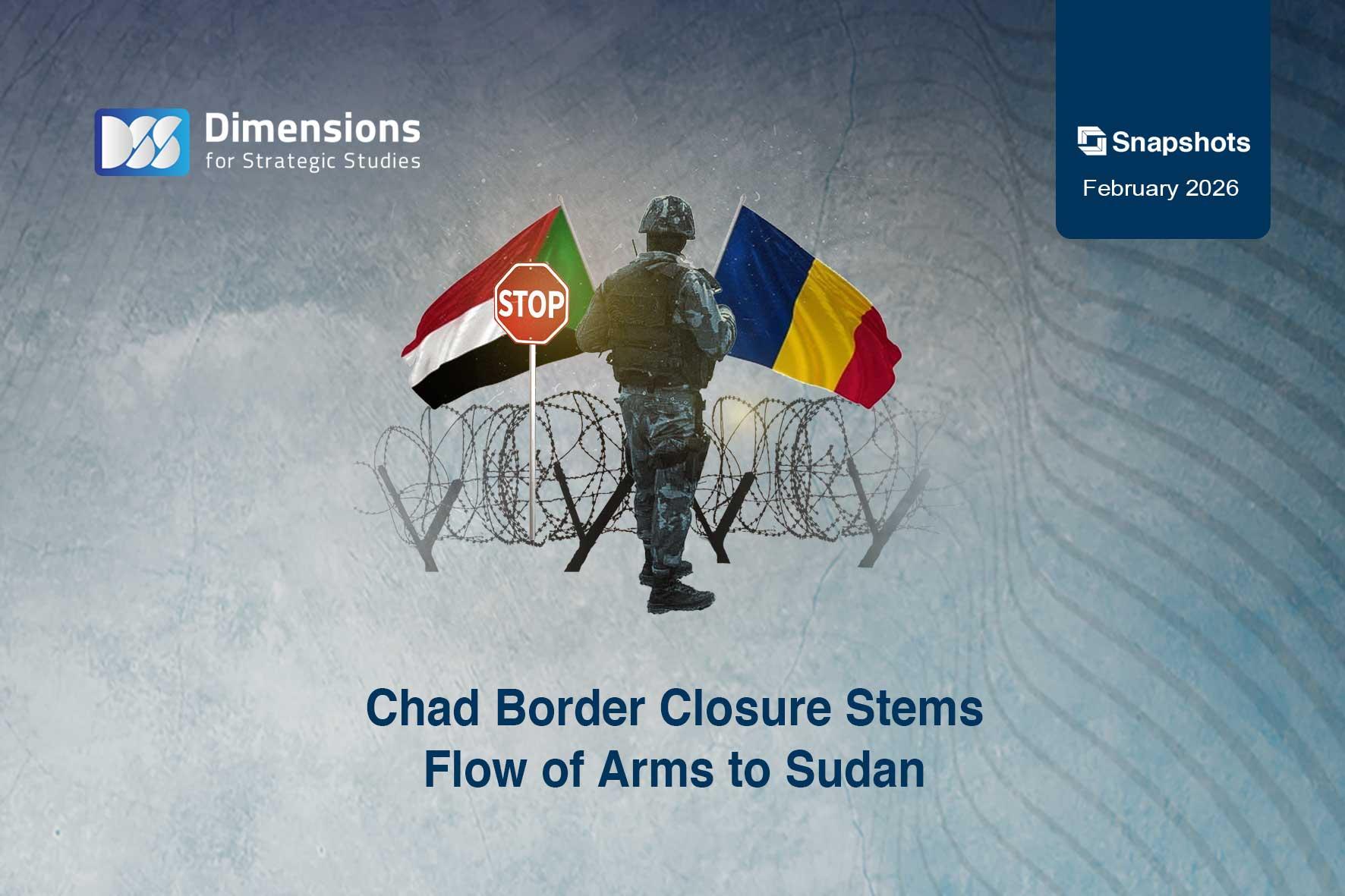
Chad Border Closure Stems Flow of Arms to Sudan
2026-02-263012 view
On February 24, Chad announced it was closing its border with Sudan, including the controversial Adré crossing, which the Sudanese government has long claimed was being used to smuggle weapons to the rebel Rapid Support Forces (RSF).
N’Djamena cited repeated incursions by Sudanese forces into Chadian territory, necessitating measures aimed at tighter control of the border.
Just two days before the closure, four officers and nine personnel from Chad’s security services—army and police—were killed in an ambush in the central region of Borkou, by armed men believed to have entered the country from Sudan.
Chad’s involvement in the conflict ravaging its vast eastern neighbor goes well beyond weapons smuggling. Volunteers from the Zaghawa tribe of Chadian Prime Minister Mohamed Déby, which straddles the countries’ shared border, have entered the war on both sides. This has exacerbated domestic crises and intensified tribal pressures on Déby’s government, especially as Sudanese factions could ally with the army to promote anti-Déby sentiment among the Zaghawa and potentially fuel a rebellion against his rule.
The African Union, in coordination with international bodies, has reportedly begun to exert pressure on African countries suspected of supplying weapons to Sudanese warring parties. At its last summit in mid-February, the AU reaffirmed its commitment to its “Silencing the Guns by 2030” initiative, driving renewed efforts to cut off the supply lines fueling the war, which is the greatest contemporary security threat in Africa.
Chad’s decision is likely to impact the course of the war, particularly impacting the capabilities of RSF forces based in neighboring Darfur. The closure of the Adré border crossing is expected to restrict the flow of weapons to these forces.
Chad is not the only country facing international pressure to change its behavior toward Sudan. Ethiopia is also facing scrutiny over reports that it has opened training camps for tribal volunteers on its territory to support the RSF against the Sudanese army.