

Iraqi President’s Election Marks Rise of a New Generation
2026-04-126162 view
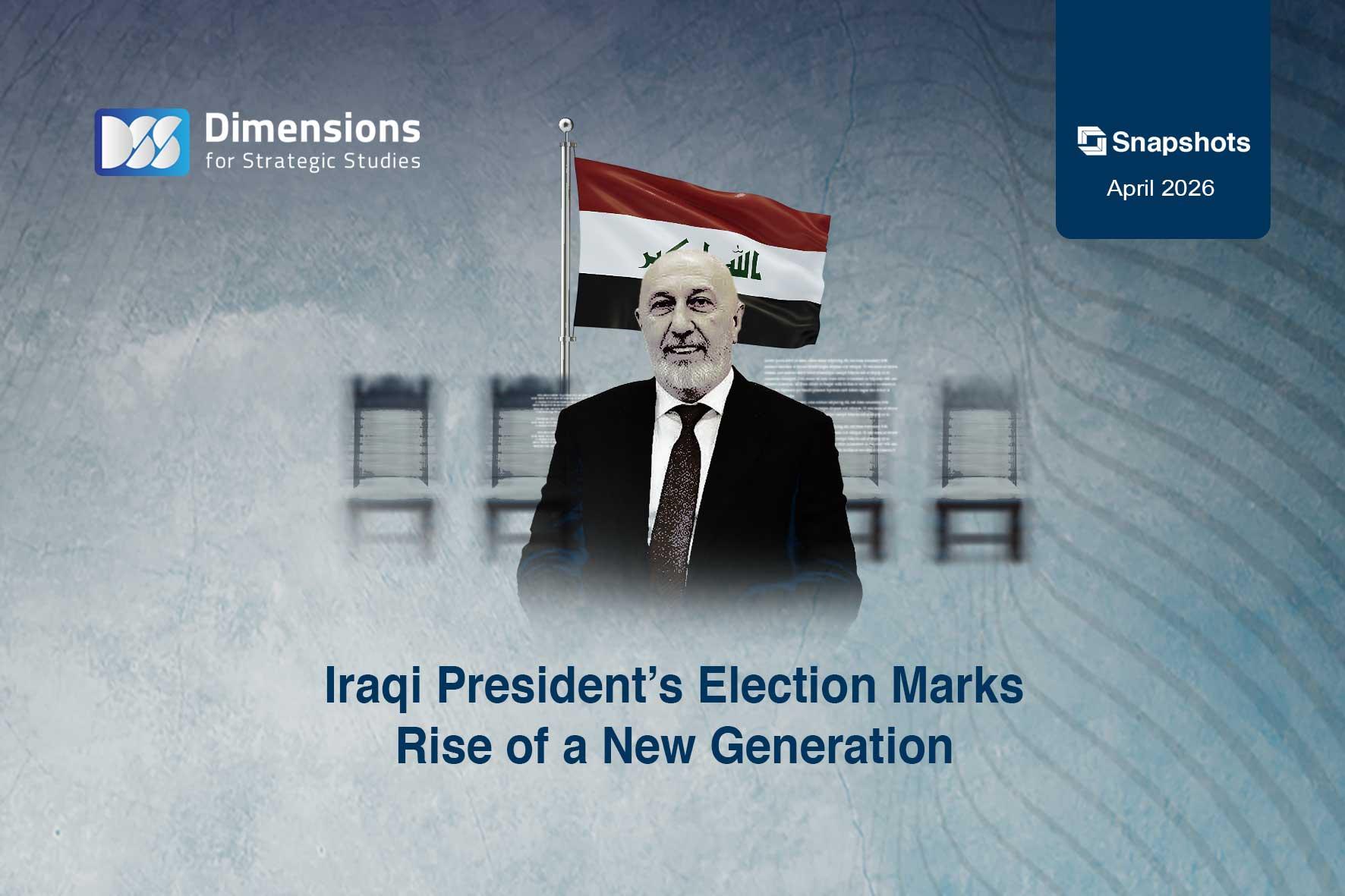
The Iraqi Parliament elected Nizar Amidi as President of the Republic on April 11 after months of bitter wrangling, particularly between the main Kurdish parties: Amidi’s Patriotic Union of Kurdistan (PUK) and the Kurdistan Democratic Party (KDP), which had pushed hard for its own candidate, Foreign Minister Fuad Hussein.
Amidi’s election was not the result of a Kurdish political consensus, as in the past. Rather, it came despite continued political disputes, which led the KDP to reject the mechanism by which the Iraqi president was elected. Underlining the fact that the new leader is from outside the Kurdish establishment, the vote was boycotted by the KDP, led by Masoud Barzani, and the State of Law Coalition, led by former prime minister Nouri al-Maliki.
The vote was settled in the second round of the parliamentary session held on April 11, 2026, with the support of the Patriotic Union of Kurdistan (PUK), the Alliance of Nation State Forces (ANSF), the Reconstruction and Development Coalition, the Turkmen Front, the Al-Sadiqoun Bloc, and the Progress Party.
This process reflected the decline of a generation of political leaders who rose to prominence with the Iraqi political system born after the overthrow of Saddam Hussein’s regime in 2003. A new cohort of political leaders has now emerged to take their place. They include current Prime Minister Mohammed Shia al-Sudani, who leads the Reconstruction and Development Coalition; Ammar al-Hakim, leader of the National State Forces; and Mohammed al-Halbousi, head of the Progress Party.
In addition to the widening rift within Iraqi Kurdish political forces, Amidi’s election may have repercussions for the selection of the next Iraqi prime minister, the most important executive position in Iraq. The political forces that elected the new Iraqi president will likely seek to block Al-Maliki’s bid for the role, especially given his close ties to the KDP.
Consequently, parliament is likely either to retain Al-Sudani as PM, or select a new consensus figure such as the current head of intelligence, Hamid al-Shatri, or former premier and leader of the Victory Alliance, Haider al-Abadi. Al-Maliki’s position is further weakened by continued opposition from the U.S. and regional powers, given memories of his 2006-2014 tenure, during which Iraq suffered deep internal divisions and tensions in its relations with regional and international powers.