

U.S.-Iran Tension Frustrates Iraq’s Efforts to Form a Government
2026-05-124063 view
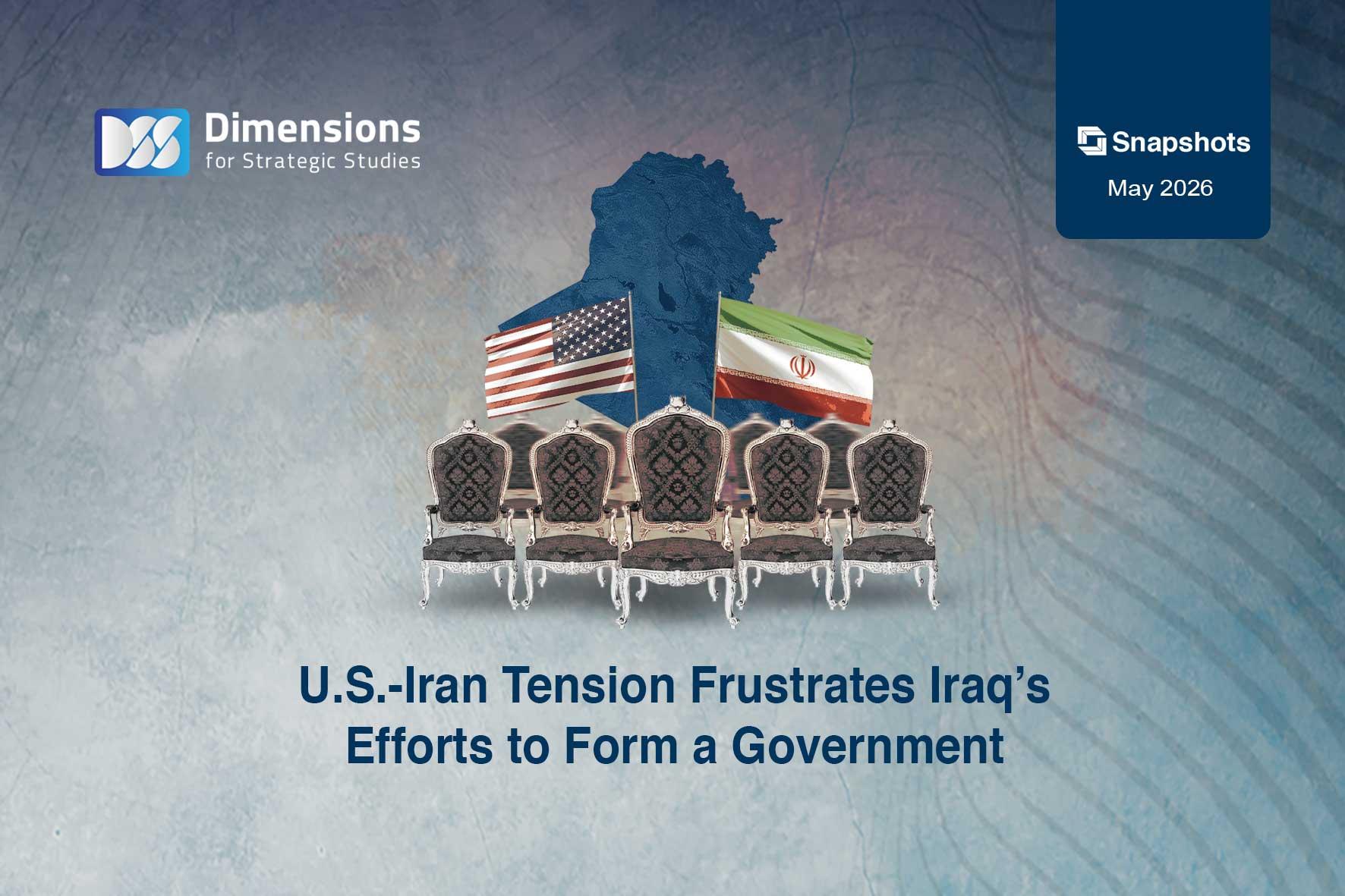
Efforts to form Iraq’s new cabinet are facing persistent obstacles, despite the Coordination Framework—the largest bloc in parliament—agreeing on a single candidate, Ali al-Zaidi. Parliament was forced to postpone a session scheduled for May 10 to vote in the new administration.
Several indicators suggest that the U.S. has been working to keep the issue separate from negotiations with Iran following the American-Israeli attack starting in February 2026. Washington has presented the Coordination Framework and its candidate for premier with a list of conditions for it recognizing the next government. These include bringing weapons under state control, excluding Iran-aligned factions from the government, and curbing Iran’s influence in the Iraqi banking sector.
Iran also has significant influence in Iraq, enabling it to obstruct the formation of a new government according to the U.S. vision. Tehran is well aware that Washington wants to leverage the government’s legitimacy, once it has passed a vote of confidence in the House of Representatives, to weaken the armed factions supported by Tehran, bar them from sensitive state positions, and portray them as armed groups rebelling against the legitimate authority of the state.
Tehran will likely come to rely yet more heavily than before on these factions, as the pragmatism displayed by most political forces within the framework of the government makes Iran uneasy. Accordingly, it will only allow a government to be formed if it is satisfied that its Iraqi allies will gain sufficient clout within it.
The main obstacle Iran has faced in maintaining its influence in Iraq is the massive pressure exerted by the U.S. to curb it. Washington has considerable and effective tools in this regard, including allowing for Israeli attacks against key armed faction leaders—such as an assassination attempt against Abu Hussein al-Hamidawi, the commander of the Iraqi Hezbollah Brigades, in mid-March.
Furthermore, Washington could well escalate things if it deems this necessary, such as by imposing sanctions on Iraqi state institutions to force them to take serious steps to reduce Iranian influence. It has previously hinted it could pursue this option, prompting a significant faction within the Coordination Framework to oppose the nomination of Nouri al-Maliki for Prime Minister, given that he is disliked by Washington and most of Iraq’s neighbors.
It is likely that Washington has a vision for limiting Iran’s influence in Iraq, but it is working to implement it over the long term. This appears to be part of a broader approach aimed at weakening Iran and depriving it of its regional leverage.